Welcome to Shenzhen Sunshine Good Electronics Co.,Ltd.!


This highly integrated modular FPC assembly is designed for dual-mode intercom smart data acquisition terminals. It integrates a flexible printed circuit board, a dual-mode intercom module, an intelligent data acquisition module, and interface circuits into a single compact solution, enabling reliable two-way communication, real-time data collection, and seamless connectivity with host systems.
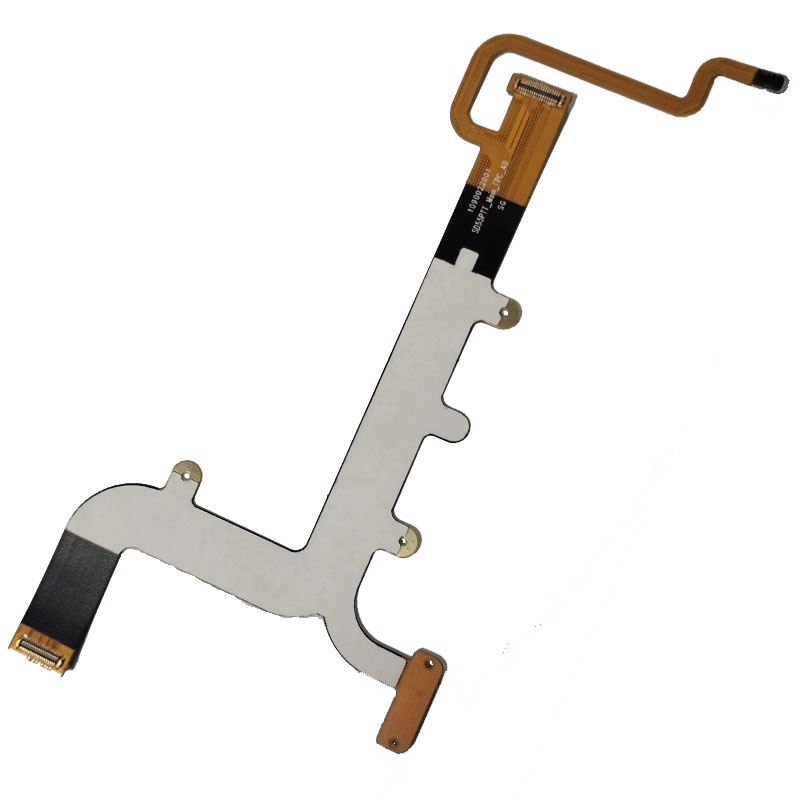
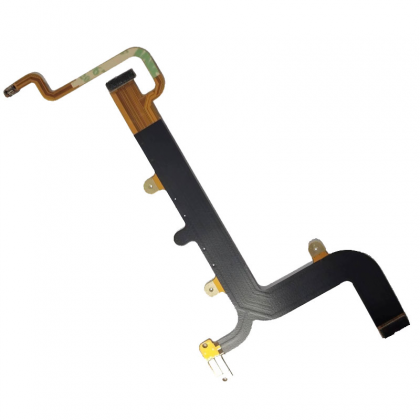
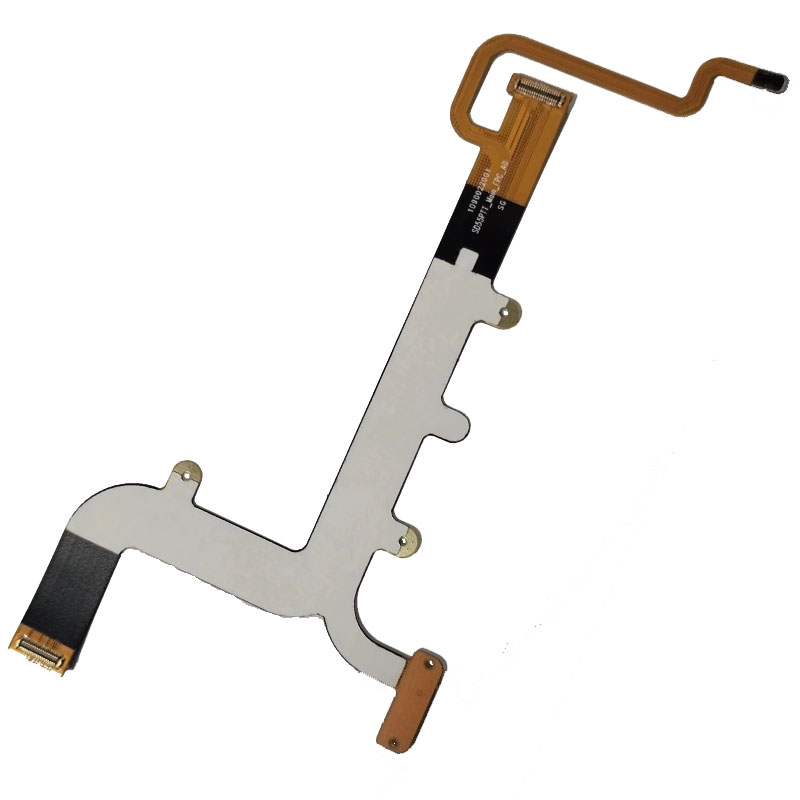


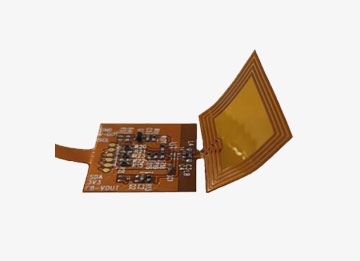
The Modular Flexible Printed Circuit (FPC) Module for Dual-Mode Intercom Intelligent Data Acquisition Terminals is a highly integrated intelligent device. It consists of multiple core components including a flexible printed circuit board, a dual-mode intercom module, an intelligent data acquisition module, and interface circuits.
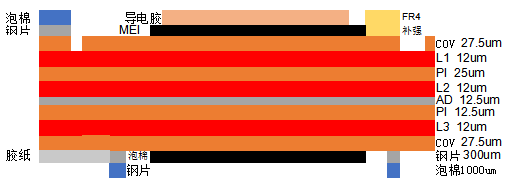
Illustration: See layered structure diagram
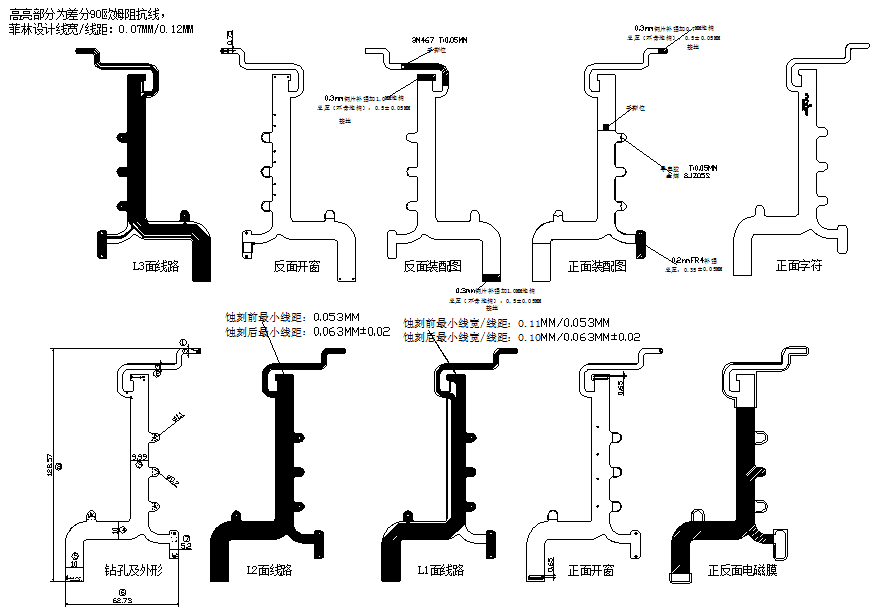
Material Cutting → Drilling → Inner Layer Pattern Transfer → Etching & Inspection → Inner Layer Thermosetting Adhesive Lamination → Outer Layer Substrate Lamination → Lamination & Curing → Target Punching & Pin Hole Drilling → Desmearing → Electroless Copper Deposition & Copper Plating → Outer Layer Double-sided Pattern Transfer → Impedance Test 1 → Outer Layer Coverlay Lamination → Impedance Test 2 → Surface Treatment → Open/Short Circuit Test → Electromagnetic Film Lamination → Impedance Test 3 → Silkscreen Character Printing → Forming → FR4 Stiffener Attachment → Steel Stiffener Attachment → Surface Mount Technology (SMT) Assembly → Conductive Adhesive Attachment → Double-sided Adhesive Attachment → Foam Pad Attachment → Final Inspection → Packaging & Shipment
1. Dual-Mode Intercom Integrated with a dual-mode intercom module, it supports two distinct communication modes — for instance, switching between digital and analog intercom modes — to fulfill users' communication demands across different application scenarios.
2. Intelligent Data Acquisition Powered by the intelligent data acquisition module, it automatically collects, processes and analyzes diverse data types including audio, image and text, significantly boosting the efficiency and accuracy of data acquisition.
3. Modular Design The entire system adopts a modular architecture. All functional modules (e.g. sensors, processors, memories) are integrated onto the FPC, which simplifies equipment installation and maintenance while improving system stability and reliability.
4. Flexible Printed Circuit Board Serving as the interconnection medium for all components, the FPC can adapt to various complex shapes and installation environments, ensuring stable signal transmission.
5. Standardized Interfaces With a standardized interface design, it enables seamless connection and communication with other devices or systems, realizing interoperability across equipment.
Project Technical Feasibility Analysis Report
Product Test Report
Finished Circuit Board Reliability Test Report
 Download