Welcome to Shenzhen Sunshine Good Electronics Co.,Ltd.!


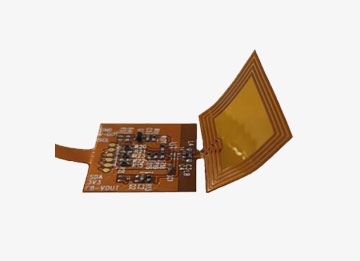
Aluminum Base Heat Dissipation Flexible PCB for Automotive Side Marker Daytime Running Lights serves as the substrate for automotive LED daytime running lights. It adopts an aluminum base heat dissipation design for intelligent LED light control.
Featuring heat dissipation reinforcement and intelligent upgrade capabilities, the product involves sophisticated manufacturing processes. Automotive LED lights deliver long service life and robust structure, suitable for various automotive lighting applications.
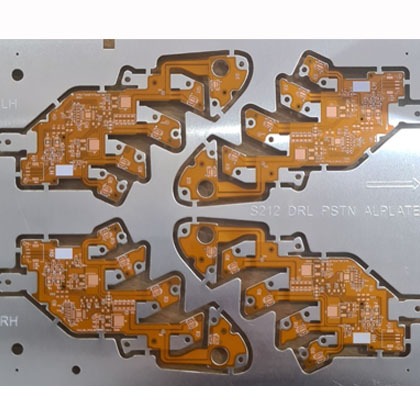
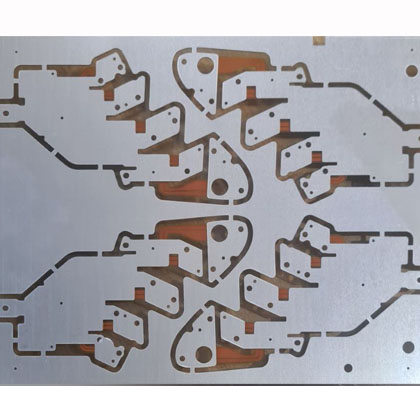


Aluminum Based Thermal Dissipation Flexible PCB for Automotive Side Marker Daytime Running Lights
Aluminum Base Heat Dissipation Flexible PCB for Automotive Side Marker Daytime Running Lights serves as the substrate for automotive LED daytime running lights. It adopts an aluminum base heat dissipation design for intelligent LED light control.
Featuring heat dissipation reinforcement and intelligent upgrade capabilities, the product involves sophisticated manufacturing processes. Automotive LED lights deliver long service life and robust structure, suitable for various automotive lighting applications.
一、Product Overview
The aluminum base heat dissipation flexible PCB for automotive side marker daytime running lights is a partially bendable circuit carrier and connector cable specially developed for automotive side marker DRLs, featuring thick aluminum base and high heat dissipation performance.
Automotive side marker daytime running lights serve notification or warning functions and remain lit for extended periods, resulting in high power consumption. A large amount of heat is generated from the electromagnetic functional circuits. The control circuit incorporates designs for LED display effect and status monitoring, which effectively enables intelligent upgrading of daytime running LED lamps.
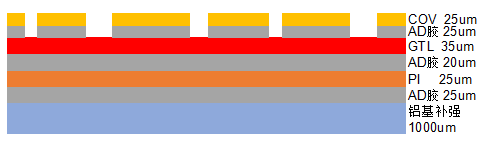
This flexible PCB adopts single sided heat resistant materials, with a PCB design of laminating specially selected high thermal conductivity aluminum sheet on the backside. Thanks to its relatively complex material structure, lamination and forming processes during production pose certain challenges for manufacturing and quality control.
(1) Laminate Structure Characteristics The aluminum base board delivers reinforcement for flexible PCBs and effectively controls board expansion and contraction. Breaking traditional limitations, the FPC, originally used only as connecting cables, can replace rigid PCBs as the integrated substrate for chips, components and functional circuits, simplifying product structure.
(2) Heat Dissipation & High Current Transmission The aluminum base board of specified thickness works as a back side heat sink for high brightness LEDs. It efficiently dissipates heat generated by long hour operation of daytime running lights. Meanwhile, it ensures stable high current transmission of the flexible PCB and greatly extends the service life of both LED lamps and the circuit board.
(3) Intelligent Control for Lamp Modules Equipped with multi wire control circuits, it enables precise intelligent control over LED lamps and optimizes display performance. It also supports status monitoring to meet the intelligent upgrade requirements of automotive electronics.
(1) Specialized Material Technology To meet stringent reliability requirements of automotive electronics, optimized material compatibility technology is adopted. It ensures good adhesion and matched coefficient of thermal expansion among multiple materials including flexible base material, aluminum sheets, thermosetting adhesive and cover lay film. The board expansion contraction rate is effectively controlled at ≤0.05%, eliminating delamination and warping risks commonly seen in conventional aluminum base flexible PCBs. All materials are certified to RoHS and REACH for automotive electronics, complying with automotive grade hazardous substance control standards and guaranteeing environmental compliance.
(2) Specialized Process Technology In line inspection technology is deployed with checkpoints set for key processes such as drilling, pattern transfer and lamination. AOI (Automated Optical Inspection) equipment accurately detects defects including short circuits, open circuits, delamination and bubbles, achieving a defect detection rate ≥99.5%. Final inspection combines electrical performance tests (open short test, insulation resistance test) and environmental reliability tests (high low temperature cycling, vibration test), to ensure products satisfy strict automotive electronic standards.
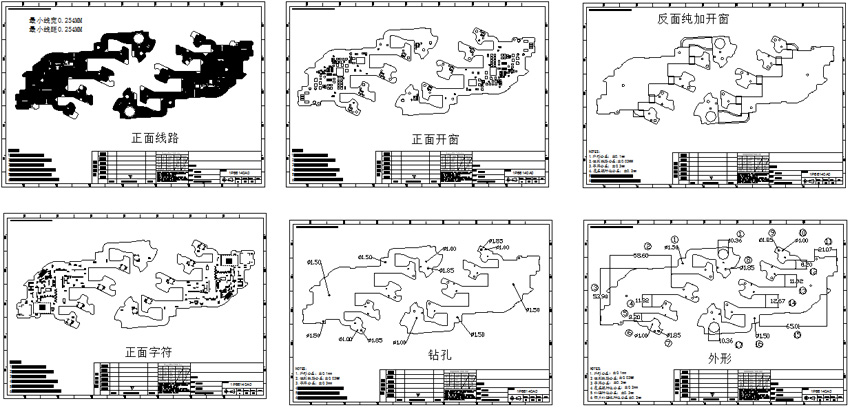
Following strict automotive electronic standards with full process refined control: Material cutting → Drilling → Pattern Transfer → Cover lay lamination → Lamination → Surface treatment → Open short test → Legend printing → Rear side thermosetting adhesive bonding → Profiling → Rear side aluminum sheet attachment → Secondary lamination → Final inspection for quality compliance.
5. Value-Added Services
DFM Manufacturability Evaluation
(1) Design Optimization
① Based on the performance test data of aluminum substrate materials, we determine the optimal thickness of aluminum sheets and the specification of flexible base materials to ensure matched coefficients of thermal expansion between the two materials.
② We optimize the circuit layout of bending areas by reserving bending margins and avoiding key areas of aluminum sheets to prevent concentrated circuit distribution.
③ Pad and hole position designs are optimized to fit the limits of production processes and reduce manufacturing difficulties.
(2) Process Optimization
① We formulate standardized operating procedures for the lamination process, optimize lamination parameters including temperature, pressure and duration, and add special inspections for delamination and bubbles after lamination.
② We optimize molding tools and equipment parameters, adopt precision molding equipment, and add bending tests after molding processing.
③ Automated drilling and adhesive laminating equipment are deployed to minimize manual operation errors and improve process stability.
(3) Quality Control Optimization
① We improve incoming inspection standards for raw materials and conduct strict testing in accordance with the Aluminum Substrate Material Performance Test Report.
② Additional quality control points are set for key processes with clear inspection standards and testing methods, realizing traceable process quality.
③ Testing equipment is calibrated regularly to ensure finished product tests comply with the requirements of the PCB Finished Product Reliability Test Report and prevent non-conforming products from delivery.
(4) Cost Optimization
① We optimize raw material specifications, select cost-effective core materials, and reduce procurement costs through bulk purchasing.
② We lower process defect rates to reduce rework costs.
③ Automated production equipment is gradually introduced to boost production efficiency and cut labor costs.
Refer to the Project Technical Feasibility Analysis Report.
ODM Revision Support: Refer to the DFMEA Product Failure Analysis Report (Design Failure Mode and Effects Analysis).
PFMEA Manufacturing Process Failure Analysis: Refer to the PFMEA Manufacturing Process Failure Analysis Report (Process Failure Mode and Effects Analysis).
Incoming Inspection: Conducted in strict accordance with the Aluminum Substrate Material Performance Test Report.
In-Process Inspection: Full-process monitoring and sampling inspection at key production stations to eliminate process defects in advance and ensure consistent product stability.
Finished Product Inspection: Implemented in compliance with the PCB Finished Product Reliability Test Report, covering complete electrical performance and environmental reliability verification.
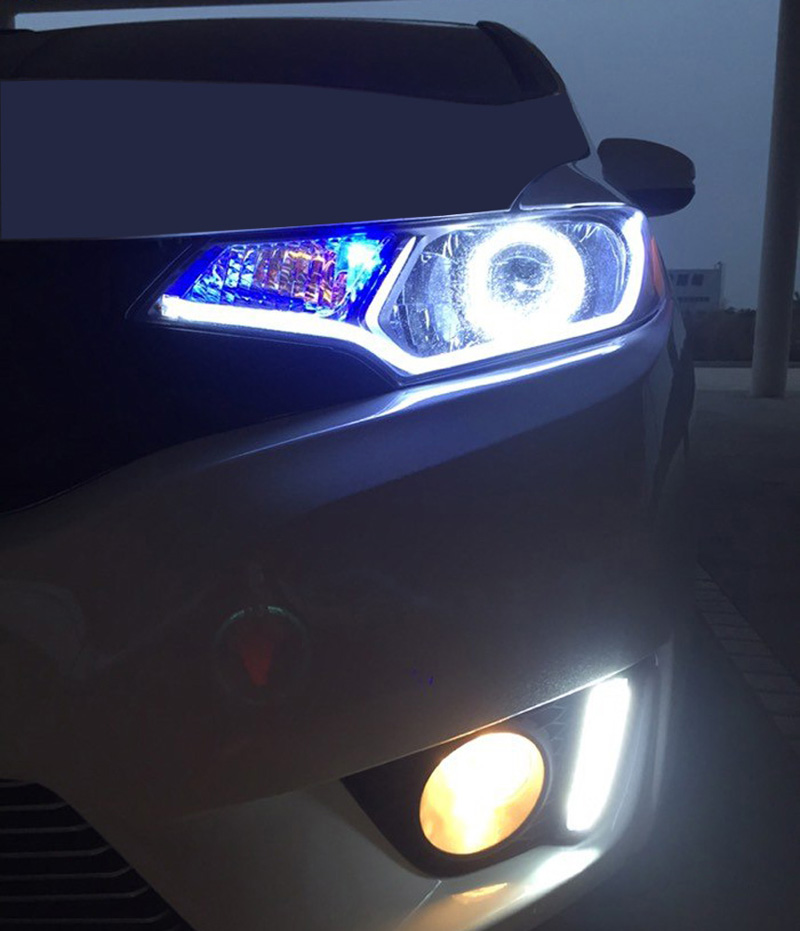
The LED daytime running light component is an LED module installed on both lateral sides of vehicles. It serves as a traffic signal lamp rather than an illuminating lamp, delivering daytime prompt and warning functions for pedestrians and surrounding drivers to effectively improve road traffic safety.
The lamp features regulated luminance to guarantee recognition without causing glare or visual interference. Its luminous intensity on the reference axis shall be no less than 400 cd. The luminous intensity in other directions shall not be lower than the product of 400 cd and the corresponding percentage specified in the light distribution diagram. In no direction shall the luminous intensity of the lamp exceed 800 cd.
Automotive LED lights adopt LED technology for both internal and external vehicle lighting. External automotive lighting involves strict thermal limit, EMC (Electromagnetic Compatibility) requirements and complex off-load testing standards.
With a service life of 50,000 hours and robust structural stability against vibration, automotive LED lights maintain stable light output without obvious brightness attenuation during operation. They are widely applicable to full-range automotive electronic lighting scenarios, including headlamps (high beam & low beam), fog lamps, tail lamps, brake lamps, turn signal lamps, daytime running lights, step lamps, instrument lamps, license plate lamps, door courtesy lamps, interior dome lights, width indicator lamps, as well as backlights and indicator lights for navigation and entertainment systems.
 Download