Welcome to Shenzhen Sunshine Good Electronics Co.,Ltd.!


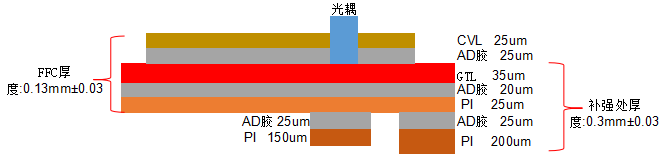
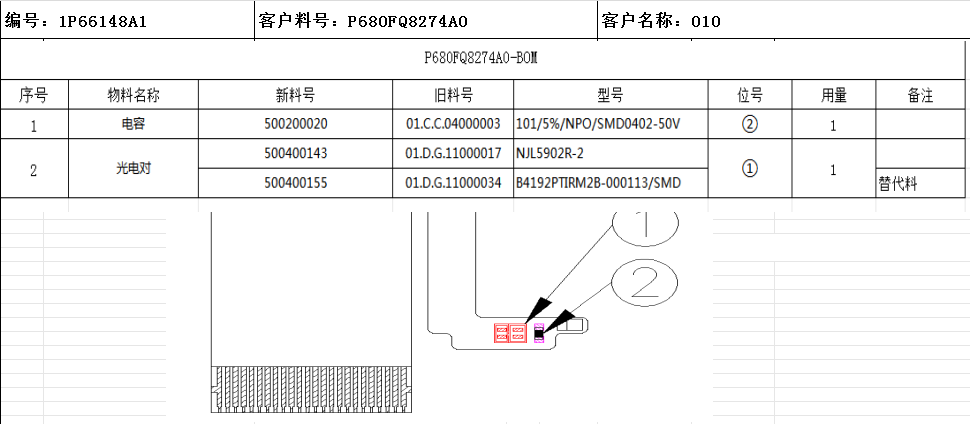
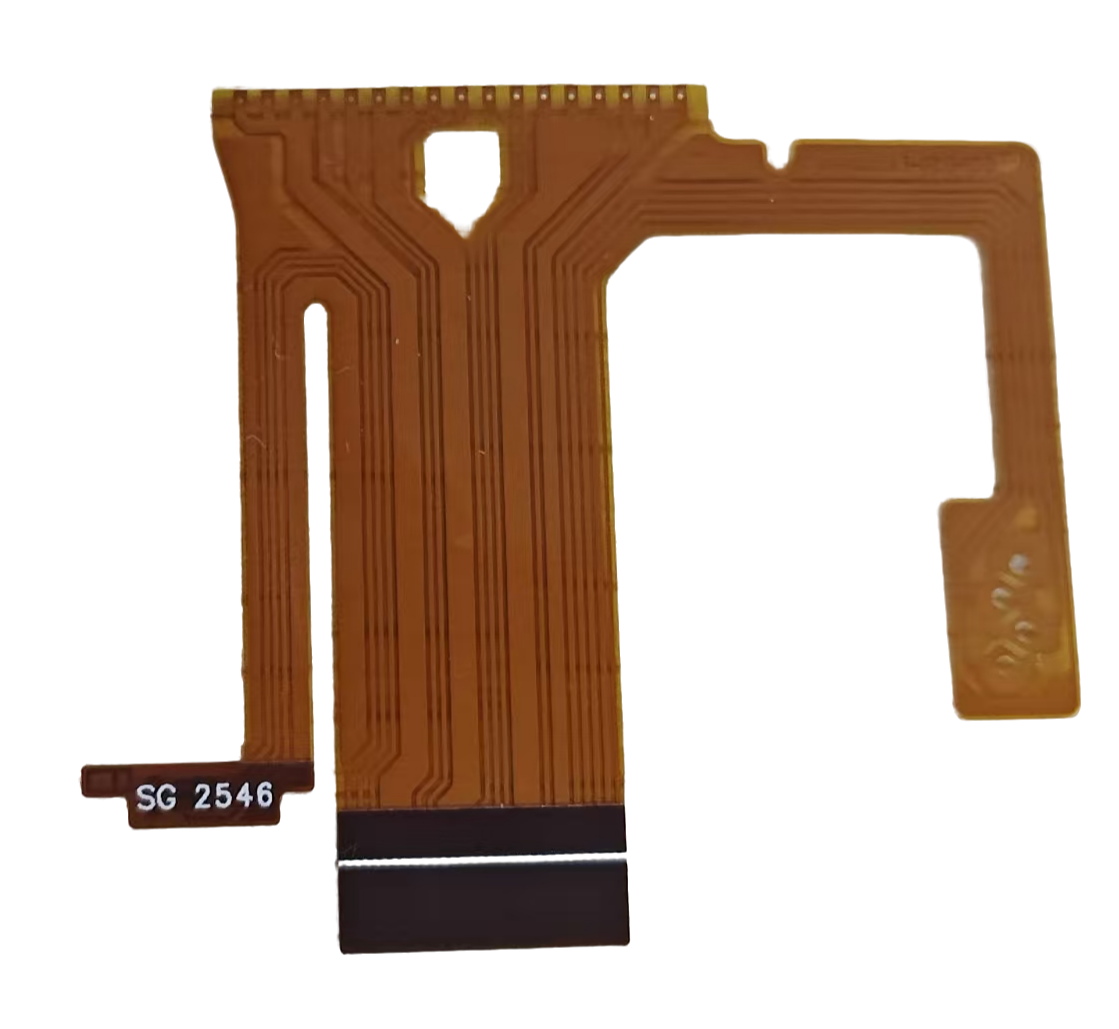
The 2-inch Thermal Print Module Photocoupler Sensing FPCBA is a core signal transmission component specifically designed for thermal print modules. Utilizing a high-density Flexible Printed Circuit (FPC) structure and integrated photocoupler sensors, it enables paper positioning detection and print head drive signal transmission. Its ENIG surface finish and precise circuit design with 0.23mm line width / 0.10mm spacing ensure high-frequency signal transmission stability while adapting to dynamic bending environments. As a critical intermediary connecting the main control board and the print head, this assembly directly determines printing accuracy and response speed. It is widely used in applications such as receipt printers and portable label printing devices.


I. Product Definition
The 2-inch Thermal Print Module Photocoupler Sensing FPCBA is a core signal transmission component specifically designed for thermal print modules. Utilizing a high-density Flexible Printed Circuit (FPC) structure and integrated photocoupler sensors, it enables paper positioning detection and print head drive signal transmission. Its ENIG surface finish and precise circuit design with 0.23mm line width / 0.10mm spacing ensure high-frequency signal transmission stability while adapting to dynamic bending environments. As a critical intermediary connecting the main control board and the print head, this assembly directly determines printing accuracy and response speed. It is widely used in applications such as receipt printers and portable label printing devices.
II. Product Features
1.High-Precision Circuit Design: Line width 0.23mm, spacing 0.10mm, meeting the circuit density requirements of miniaturized equipment.
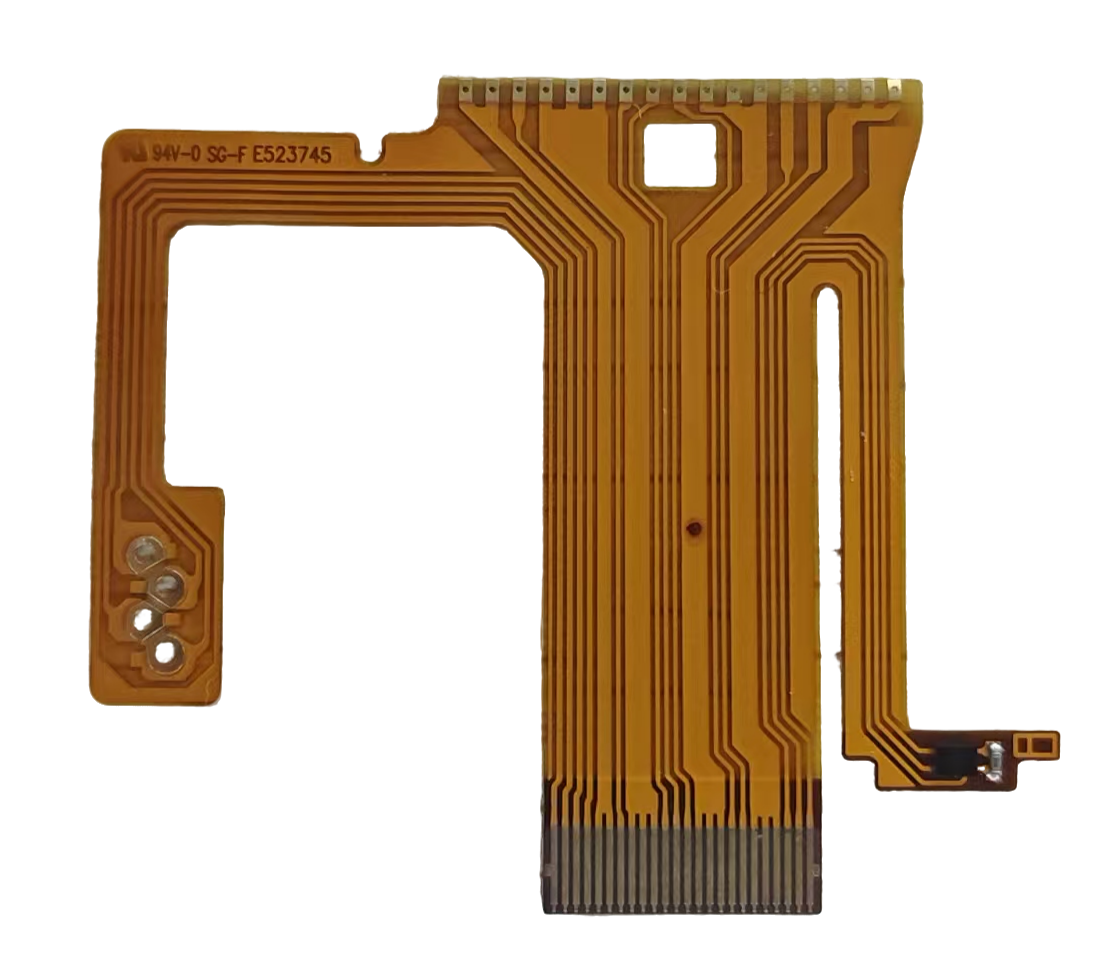
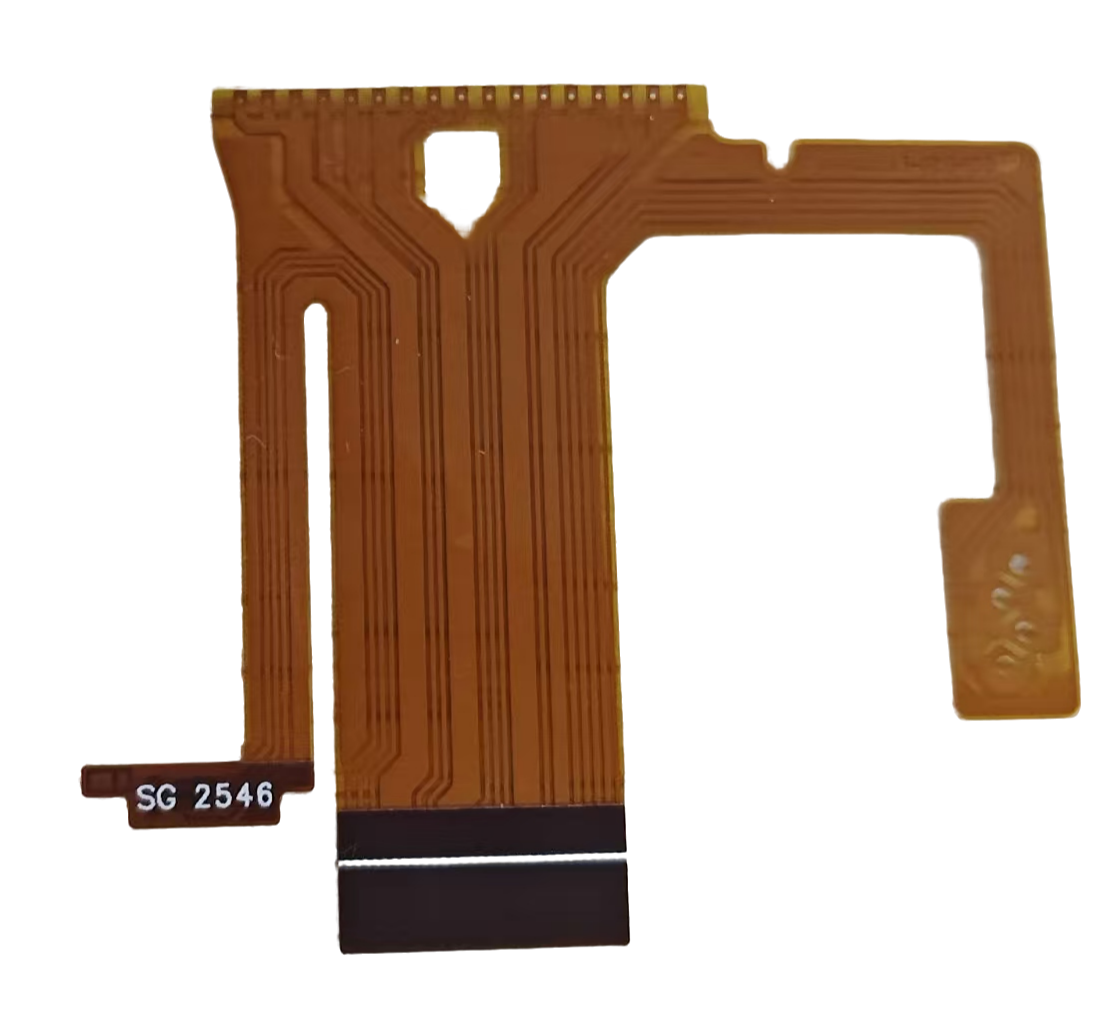
2.Irregular Shape Adaptability: Finished product dimensions 44.05*38.32mm, allowing flexible integration into compact spaces.
3.Integrated Photocoupler Sensing: Achieves paper edge positioning via non-contact detection, enhancing anti-interference capability.
4.Lightweight Flexible Substrate: Adapts to dynamic bending scenarios, ensuring signal transmission stability.
III. Product Technical Support
1. Material Characteristics
Flexible Substrate: Bend-resistant and fatigue-resistant, suitable for print module environments with frequent vibrations.
Temperature Resistance: Solder mask and substrate can withstand SMT reflow soldering high temperatures (typical range 240-260°C).
Photocoupler Characteristics: Achieves electrical-optical-electrical signal isolation, preventing signal crosstalk.
2. Process Characteristics
1.ENIG Surface Finish: Ensures oxidation resistance and conductivity of gold finger connections.
2.High-Density Placement: Supports placement of miniature components such as 0402/0201, with line width accuracy reaching ±0.01mm.
IV. Product Manufacturing Process
1.FPC Blanking and Drilling: Minimum non-plated through hole (NPTH): 0.25mm, meeting mechanical installation requirements.
2.Pattern Transfer and Etching: Forms circuits with 0.23mm line width / 0.10mm spacing.
3.Solder Mask and Legend Printing: Solder mask opening 1.5*0.77mm; legend line width 0.125mm.
4.SMT Assembly: Solder paste printing -> component placement -> reflow soldering -> cleaning.
5.Functional Testing and Packaging: Open/short circuit testing followed by vacuum anti-static packaging.
V. Core QC Processes
1.Open/Short Circuit Test: Full-coverage detection of circuit conductivity using a flying probe tester.
2.ENIG Layer Thickness Control: X-ray fluorescence (XRF) thickness gauge monitors nickel/gold layer thickness (typical Ni: 3-5μm, Au: 0.05-0.1μm).
3.SMT Solder Joint AOI Inspection: Automated Optical Inspection (AOI) to identify defects like cold solder joints and solder bridges.
VI. Product Test Report
*Test Report for 2-Inch Thermal Print Module Photocoupler Sensing FPCBA*
VII. Product Affiliation: 2-Inch Thermal Print Module Photocoupler Sensing FPCBA Module
This FPCBA serves as the core for signal transmission and sensing control within the 2-inch thermal print module. Together with the print head driver board, stepper motor, paper detection sensor, and main control board, it constitutes a complete printing system. The assembly enables electrical interconnection between modules via its flexible circuit structure and gold finger connectors. The ENIG process ensures stability in high-frequency signal transmission, while the photocoupler components facilitate non-contact paper positioning detection.
VIII. Product Final Attribution
The 2-inch Thermal Print Module Photocoupler Sensing FPCBA is a core signal transmission and status monitoring component for thermal printing equipment. By integrating photocoupler sensors and high-density flexible circuitry, it enables paper positioning detection, print head drive signal transmission, and mechanical status feedback. As a critical intermediary within embedded control systems, it directly determines printing accuracy, response speed, and equipment reliability. It is widely used in receipt printers, portable label printing devices, retail terminals, industrial automation printing systems, and other scenarios, serving as an important hardware foundation for enhancing office efficiency and standardizing commercial service levels.

 Download